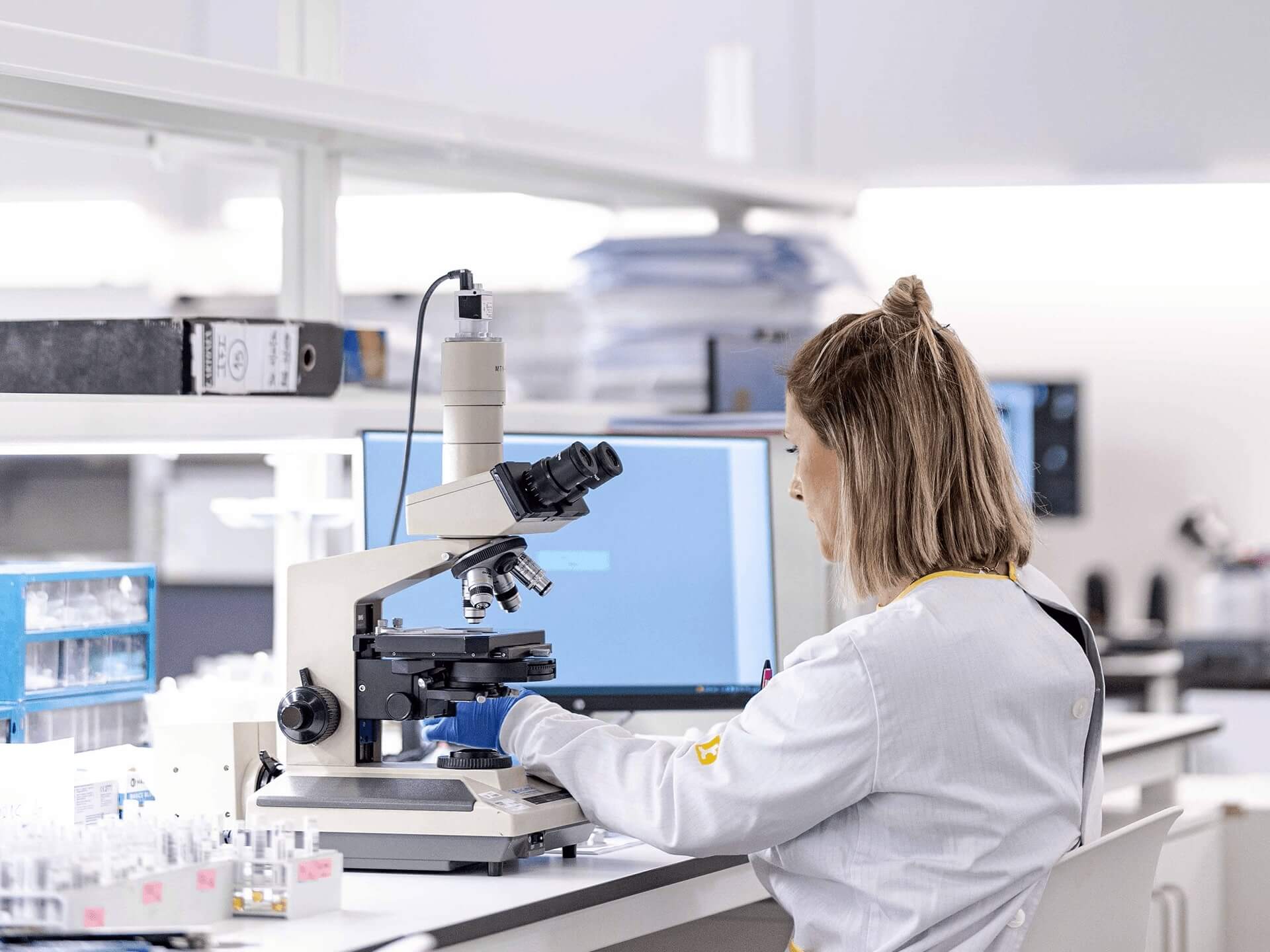
Prenatal tests are key to ensuring a safe and healthy pregnancy — for both mother and baby.
Prenatal Testing: From Diagnosis to Action
Prenatal tests are key to ensuring a safe and healthy pregnancy — for both mother and baby. These tests include obstetric ultrasounds, biochemical screenings (such as for trisomies), and laboratory analyses for HIV, syphilis, malaria, anemia, and blood pressure monitoring.
In Mozambique, prenatal care is recognised as a cornerstone of Maternal and Child Health. While most expectant mothers attend at least one consultation, many still lack access to the full range of essential tests. Early pregnancy ultrasounds — ideally in the first and second trimesters — help confirm fetal development. Blood and urine tests, along with pregnancy confirmation tests, are also vital.
When complications are detected, there are effective treatments available: antiretroviral therapy for HIV, antibiotics for syphilis, iron supplements for anemia, and nutritional guidance. These interventions can save lives and help ensure a safer delivery.
However, access remains a challenge, especially in rural areas. Expanding health services, bringing tests closer to the communities, and raising awareness about the importance of early prenatal care are essential steps.
Why Comprehensive Prenatal Care Matters
Prenatal care is more than a routine check-up. It tracks the progress of the pregnancy and enables early intervention in case of complications. The WHO recommends at least eight antenatal contacts from the 12th week onward. Starting prenatal care between weeks 4 and 12 is critical for early detection of risks.
Globally, prenatal testing helps reduce maternal and newborn mortality. In Mozambique, 91% of women attend at least one antenatal visit — yet only 13% receive full, quality prenatal care. Improving access to essential tests is a crucial step toward saving lives.
Want to know how to take a pregnancy test or when it shows a positive result? Visit our Joaquim Chaves Saúde Clinic in Maputo or one of our sample collection units. A simple test can be the first step to a safer pregnancy.