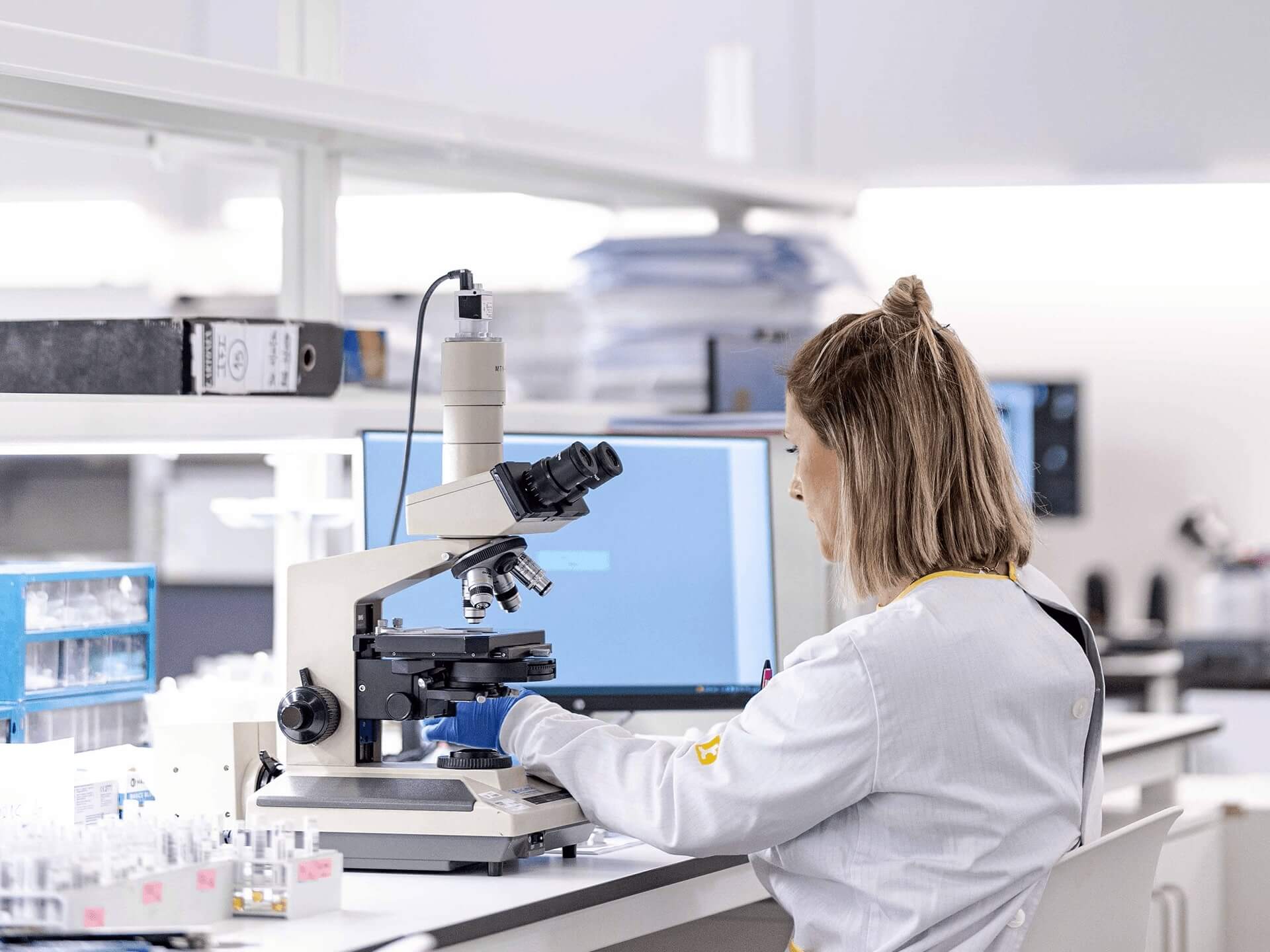
DNA-based paternity tests offer scientific, fast, and highly accurate results — with reliability levels exceeding 99.99%.
What is a paternity test?
A paternity test is a genetic examination that compares the DNA of a child with that of a potential father. Through this analysis, it’s possible to confirm whether a biological relationship exists. In Mozambique, these tests have become increasingly important, both in legal contexts — such as child support or custody cases — and in personal situations where questions around paternity arise.
When should it be done?
There are many reasons someone may seek a paternity test. It could be prompted by doubts following an unplanned pregnancy, family disputes, legal proceedings, or simply the need to confirm biological ties for peace of mind.
How does the test work?
DNA collection is simple and painless, usually done using a cheek swab from both the child and the alleged father. Blood samples may also be used. In more complex situations — for instance, if the father is unavailable — close relatives such as paternal grandparents or uncles may be tested instead.
Once the samples are collected, a laboratory compares specific genetic markers inherited from both parents. A match of 99.99% or more confirms paternity with a very high degree of certainty. If the markers do not align, paternity is ruled out with equal clarity.
Does the test hold legal value?
Yes — provided the proper legal protocols are followed. For results to be admissible in court (for example, in a paternity investigation), the sample collection must be performed by accredited professionals, ensuring a secure chain of custody. Our Joaquim Chaves Laboratory in Maputo offers legally recognized testing under these standards.
Why is a paternity test important?
For the child, it can mean access to their name, legal identity, inheritance, and often financial support. For the parents, it’s a chance to clarify or embrace responsibilities. And for society, it promotes justice, fairness, and the protection of children's rights.
Paternity testing doesn’t treat a disease — but it can change lives. It’s a crucial step toward securing legal rights, supporting responsible parenting, and safeguarding a child’s wellbeing. At Joaquim Chaves Saúde, we are committed to truth, trust, and science — in service of Mozambican families.
- Fathers seeking confirmation of biological parenthood
- Mothers aiming to secure their child’s legal rights
- Families involved in custody or legal disputes
- Young adults wishing to understand their origins