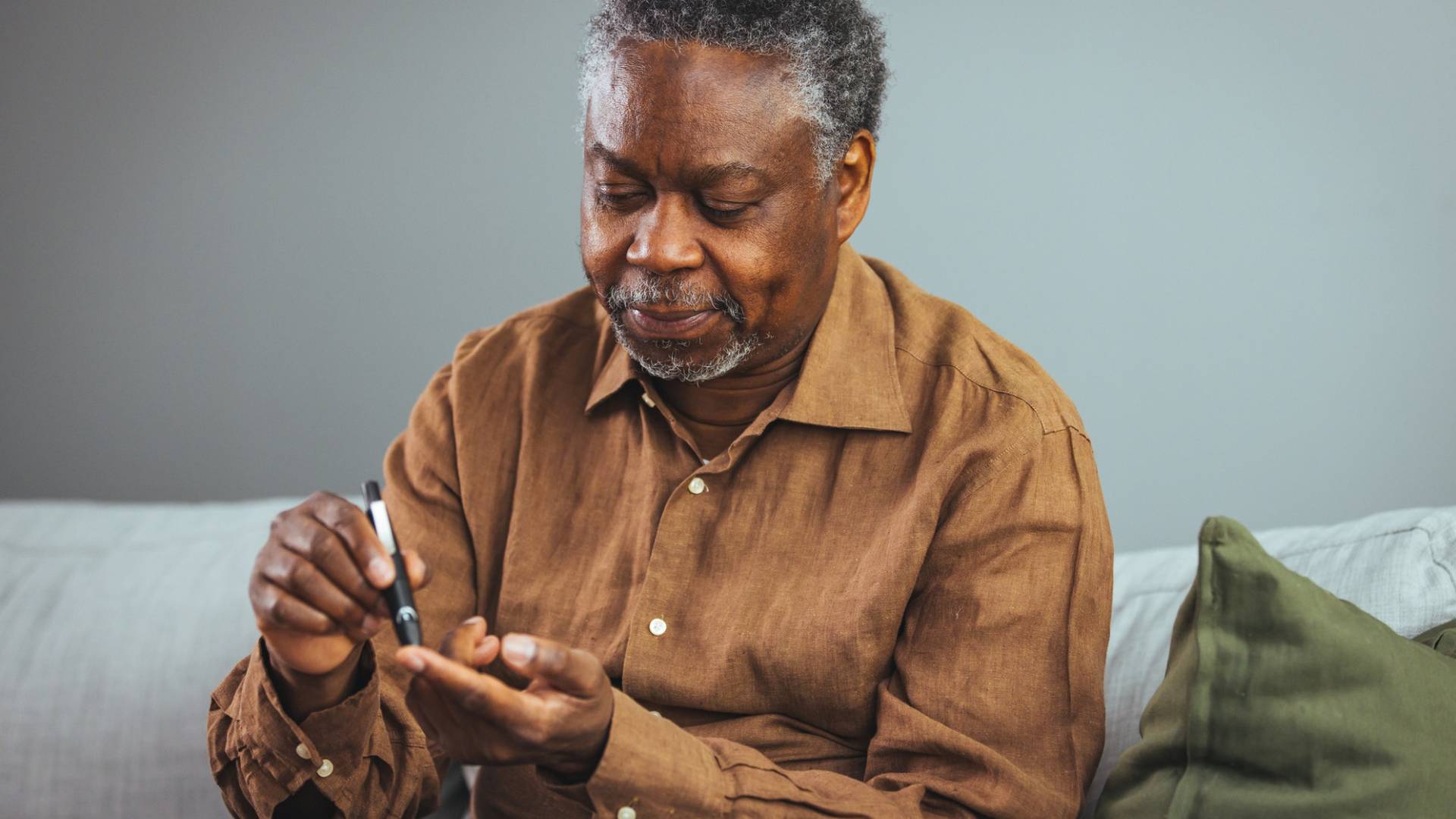
In Mozambique, it is estimated that around 4% of the adult population lives with diabetes, often without a diagnosis. This makes screening and prevention essential.
Diabetes: a chronic disease
Diabetes is a condition marked by elevated blood sugar levels. It occurs when the body does not produce enough insulin or cannot use it properly. Over time, it can damage vital organs such as the heart, kidneys, eyes and nerves, making it one of the leading causes of preventable health complications.
The most common warning signs include constant thirst, frequent urination, persistent fatigue, blurred vision and unexplained weight loss. Anyone experiencing these symptoms should seek a medical evaluation to check for diabetes.
The main risk factors are excess weight, lack of physical activity, an unhealthy diet, being over 45 years of age, and having a family history of diabetes.
Diagnosis and treatment
Diagnosis is straightforward and can be made through simple blood tests, such as fasting blood glucose and HbA1c (glycated hemoglobin), which help confirm the condition and assess how well it is controlled.
The goal of diabetes treatment is to keep blood sugar levels as close to normal as possible, preventing symptoms and long-term complications. This is usually achieved through a combination of lifestyle changes and medication, depending on the type of diabetes: type 1, type 2 or gestational diabetes.
Therapeutic measures include adopting a balanced diet and engaging in regular physical exercise. In many cases, insulin and other medications may be required, always tailored to the patient’s individual needs.
Prevention is possible and involves maintaining a healthy weight, exercising regularly, limiting sugar intake and attending regular medical check-ups for screening and follow-up.
At Joaquim Chaves Saúde Mozambique, we provide specialized laboratory tests and medical consultations for the diagnosis and personalized management of diabetes, supporting each patient to live a healthier life with better quality of care.