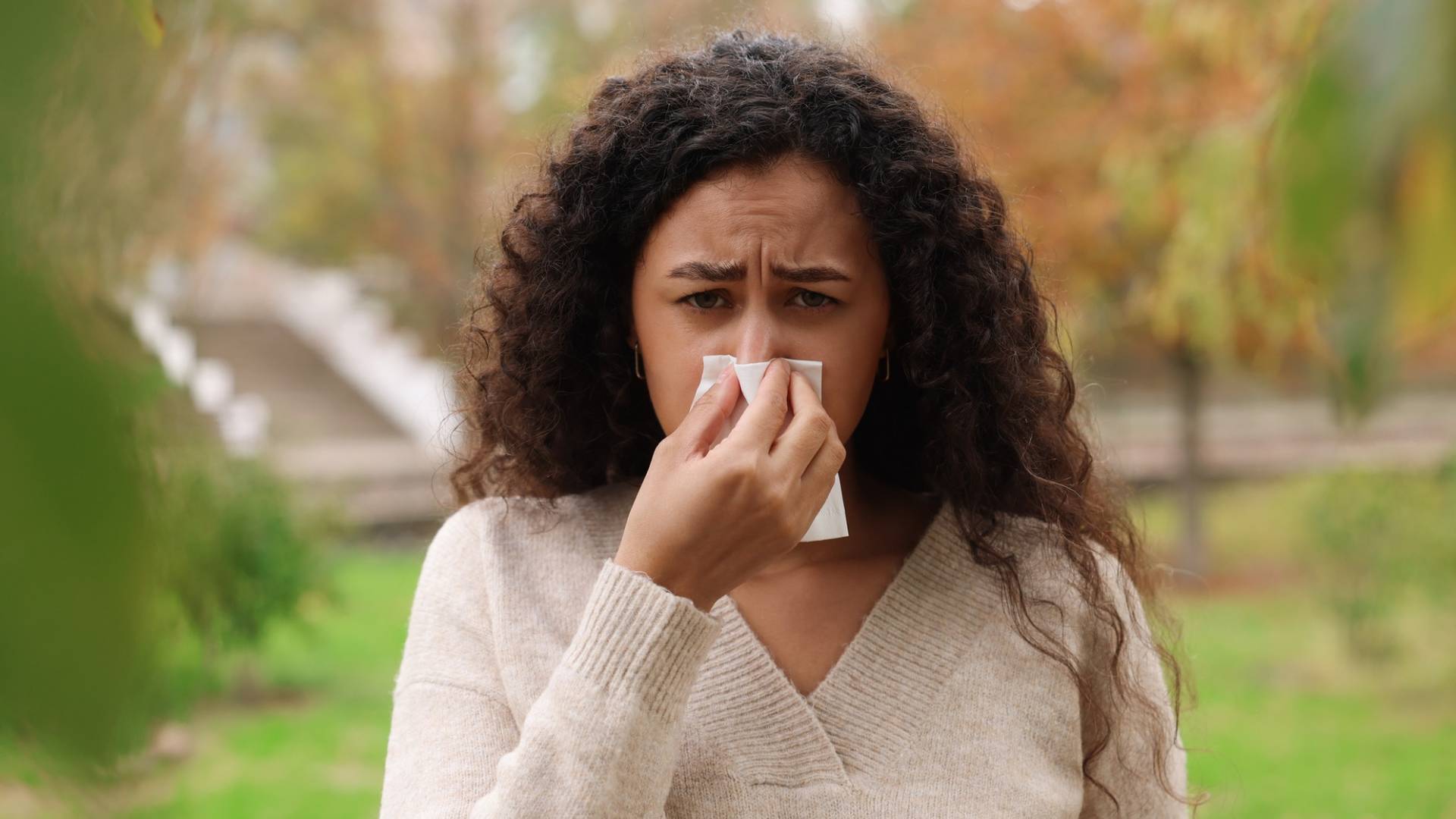
Medical control in the field of allergies means improving the quality of life for many Mozambicans, especially children and people in urban or vulnerable areas.
Allergies: A Commitment to Your Health
Allergies are exaggerated reactions of the immune system to normally harmless substances, called allergens. These can include pollen, dust mites, foods, medicines, insect venom, among others. When an allergic person comes into contact with an allergen, the body reacts abnormally, triggering symptoms that range from mild to severe.
In Mozambique, exposure to dust, smoke, pollution, poor housing conditions and processed foods, combined with genetic predisposition, contributes to the increase in allergies, especially in urban areas.
Globally, it is estimated that 30 to 40% of the population suffers from some type of allergy, making this a growing public health problem.
Common Types of Allergies
Allergies are common and appear in several forms. They can affect the respiratory tract (respiratory allergies) and cause sneezing, nasal congestion, coughing, and shortness of breath, often mistaken for colds.
Food allergies (such as reactions to shellfish, peanuts, milk, or eggs), insect stings and medicines can also cause severe reactions, from urticaria to anaphylaxis.
On the skin, atopic dermatitis or eczema is frequent in children. It causes redness, dryness, and itching, especially in skin folds.